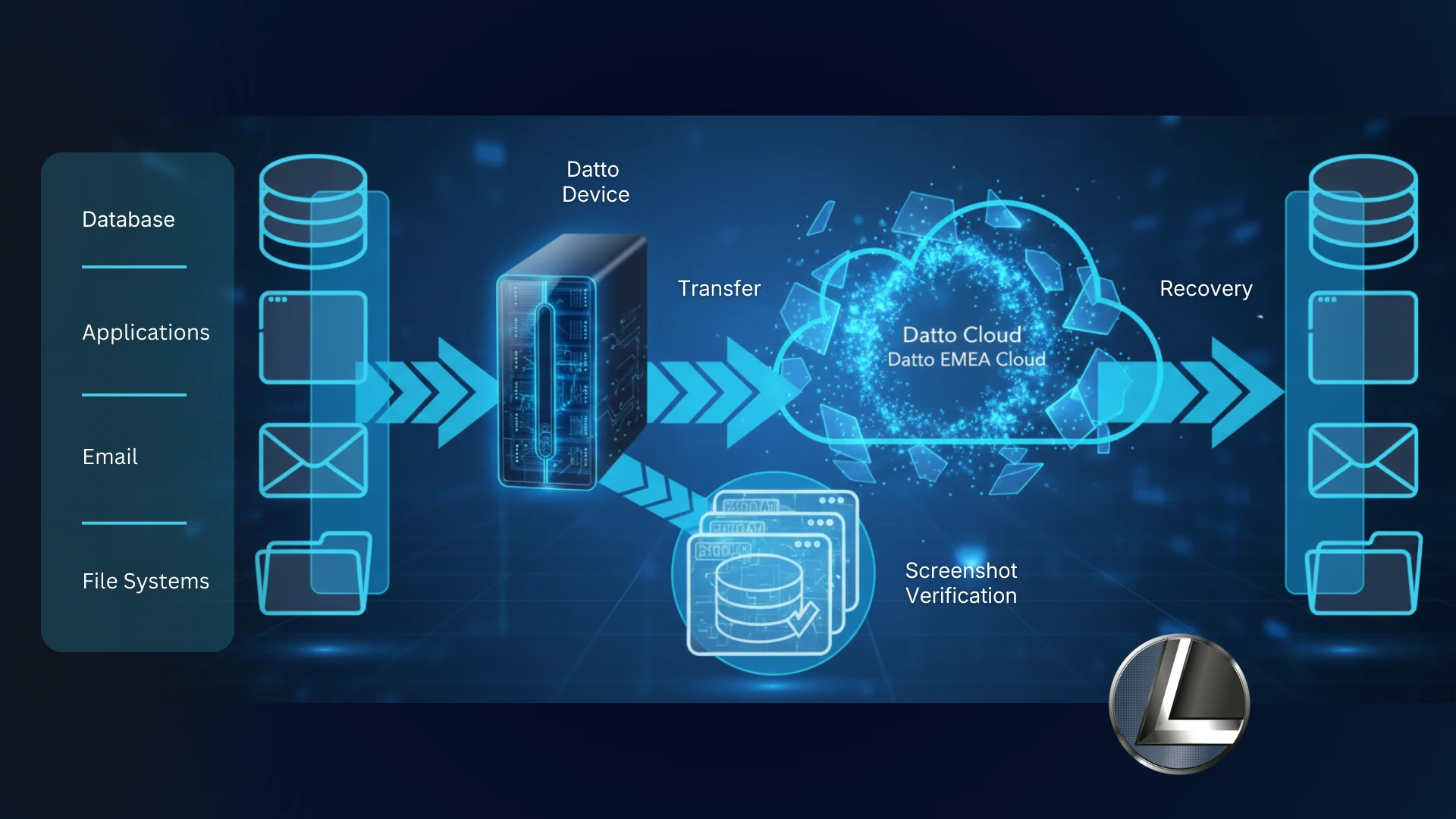
Are Your Backup and Disaster Recovery Strategies Tested?
In this digital age, a company’s data is its lifeblood. Data loss often results from preventable issues like human error, hardware failure, or malicious attacks such as viruses and ransomware. Let’s forget “if” and instead think “when” you will need backup and disaster recovery strategies.
About 70% of businesses will experience data loss, and though this is a common event, it is catastrophic. Especially if you are unprepared. Data shows that 93% of companies that suffer major data loss for 10+ days file bankruptcy within one year, with half shutting down immediately.
Beyond this, according to 99firms Data Loss Statistics (Editor’s Choice) of 2025, 20% of respondents claim they haven’t tested their disaster recovery plans or don’t have them. Given these data points and risks, does your current operational resilience plan meet the qualities required to survive a data loss scenario?
The Speed to Recover: Recovery Time Objective (RTO)
Recovery Time Objective (RTO) defines the maximum acceptable duration for a service disruption before business operations must be fully restored. Organizations must carefully weigh the impact of downtime on revenue and efficiency.
The time it takes for a full disaster recovery is determined by three key factors: the severity of the event, the size of the organization, and, most importantly, the pre-defined Recovery Time Objective (RTO).
- Minor, common disruptions (network outage or glitch): automated BDR systems can recover systems within 1 to 5 hours.
- E-commerce or payment processing: RTO can range from minutes to less than 24 hours for less vital functions.
- Significant natural disasters: RTO can extend three months or longer.
- Ransomware: RTO lasts between 16 and 22 days. About 34% of victims now take more than a month to restore full operations.
Success depends on the quality of BCDR planning, regular testing, and using the right technology to meet specific RTO targets. Having a solid plan ensures that businesses can rapidly resume operations, minimizing both financial and reputational damage.
While RTO determines the speed of getting systems back online, another critical factor is the Recovery Point Objective (RPO). This defines data integrity requirements, balancing the duration of a shutdown against the maximum amount of acceptable data loss allowed. RTO is the speed to recover, and RPO is the amount of data loss until recovery.
Data Loss Until Recovery Point Objective (RPO)
Recovery Point Objective (RPO) is the tolerable amount of data loss, measured in time, an organization can sustain during downtime. Defining your RPO is vital to backup and disaster recovery strategies.
The less RPO requires continuous data replication (backups) to a secondary site, ensuring no data is lost. Here are some key elements and strategies to consider that influence your RPO:
- Data Sensitivity and Industry demands: Information in businesses that is constantly changing requires a near-instant RPO to prevent catastrophic loss.
- Technological Limits: The speed and level of your current backup hardware determine how often you can save data.
- Network Strain: Constant data transfers can slow down internet speeds and require expensive bandwidth and higher data storage.
- Financial Reality: Higher levels of protection require more financial investment in premium tools.
- Legal Mandates: Privacy laws and industry regulations often dictate exactly how much data a company is legally required to safeguard.
Backup and Disaster Recovery Strategies to set your RPO:
- Live Data Syncing: Utilizing Continuous Data Protection (CDP) to record every single change as it happens, reducing the loss window to seconds.
- Hybrid Cloud Models: Combining local backups for speed with cloud-based storage.
- Off-Site Duplication: Constantly duplicating data to a remote location to protect against local hardware failure or site-wide disasters.
The RPO is the blueprint for your backup and disaster recovery strategy. It tells the IT team how often to save data, priority, and which technologies to invest in for this process. By aligning RPO with RTO, a business creates a balanced strategy that protects digital assets without overextending its budget.